
In the world of online security and privacy, Virtual Private Networks (VPNs), proxies, and Tor stand out as the top three tools. But what sets them apart? Join us as we explore the differences between Tor, VPNs, and proxy servers, and dive deeper into proxy vs VPN comparisons.
Keep your computer safe with NordVPN.
Detect malware and block trackers and intrusive ads during downloads. Stay safe online with the leading VPN service.
Learn how you can protect your Internet traffic with an industry-leading VPN that delivers fast, secure, and private connections. Let’s dive deeper and understand the differences between these privacy tools.
What are VPNs?
A VPN acts as a secure gateway between your device and the Internet, encrypting your web traffic and routing it through a remote server. When you connect to a VPN, your Internet traffic is assigned a remote IP address, making it appear as if you are browsing from a different location. This feature allows you to bypass content restrictions, avoid censorship, and protect your online activities from prying eyes.
Leading VPN services like nordvpn, expressvpnAnd surfsharkvpn Offers comprehensive solutions for users seeking better privacy and security. By installing their dedicated apps on your device, you can easily connect to their servers and choose your desired location.
One of the major benefits of using a VPN is that it secures your Internet connection, making it almost impossible for anyone to intercept or monitor your online activities. Whether you’re accessing sensitive information or simply browsing the web, a VPN ensures that your data remains encrypted and protected.
What are proxies?
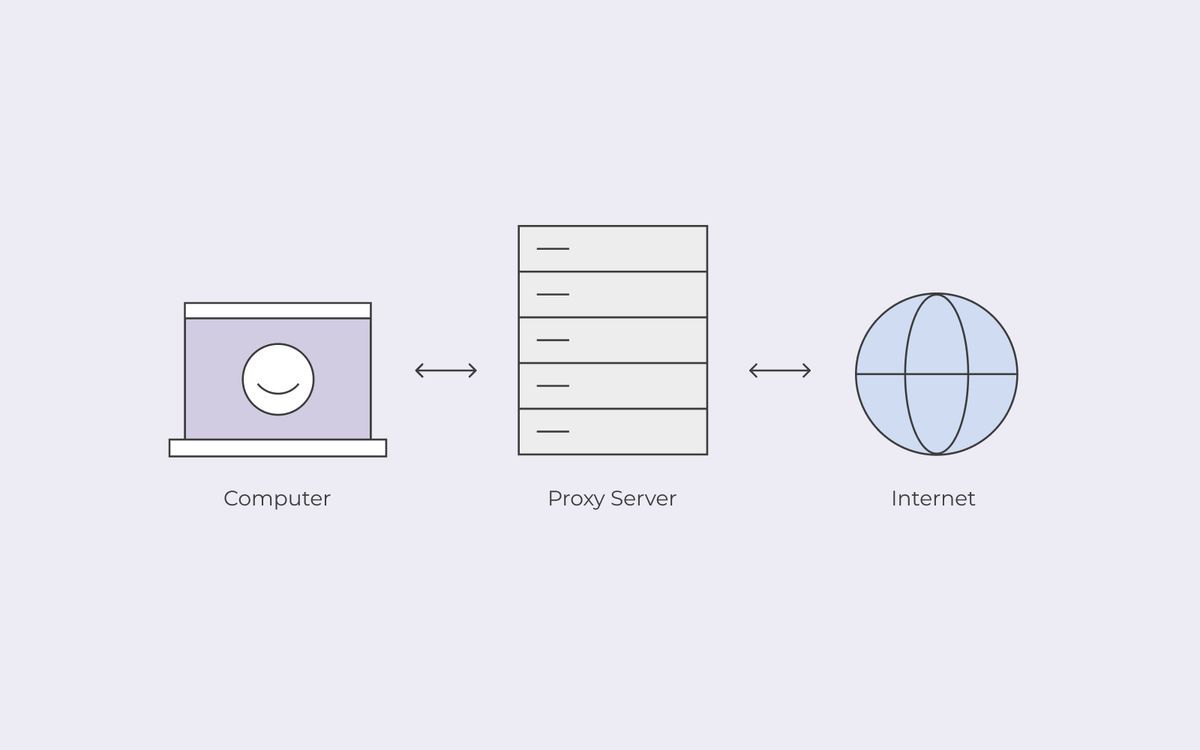
A proxy server acts as an intermediary between your device and the Internet. When you connect to a proxy, your requests are first sent to the proxy server, which then forwards them to the target website or server on your behalf. This process helps to hide your IP address, as the website or server only sees the IP address of the proxy server.
Proxies come in various forms, including local proxies and Internet proxies. A local proxy allows you to connect to a local router, which then connects to the Internet on your behalf. Internet proxies, on the other hand, are accessed remotely, allowing you to change your apparent location and protect your data from being easily traced.
While proxies provide some level of privacy and IP masking, they lack the strong encryption provided by VPNs. Without encryption, your Internet traffic remains vulnerable to interception and surveillance. However, proxies can still serve as a useful tool for bypassing geo-restrictions and accessing specific websites or services.
What is Tor?
Tor, short for “The Onion Router”, is a software tool that anonymizes your Internet connection by routing your traffic through a network of volunteer-run servers called nodes. Each node in the Tor network adds an additional layer of encryption to your data, making it extremely difficult to track your online activities back to your original IP address.
Tor is particularly useful for individuals who require a high level of privacy and anonymity, such as journalists, whistleblowers, and activists. By hiding the origin of your Internet connection, Tor helps protect your identity and allows you to browse the web without leaving a digital footprint.
However, it’s important to note that Tor’s focus on privacy comes at the expense of speed. Due to the multiple encryption layers and extensive routing process, browsing the Internet through Tor can be significantly slower than using a VPN or proxy.
VPN vs Proxy vs Tor
When deciding which tool to use for your online privacy and security needs, it is essential to understand the trade-offs involved.
Here is a comparison of the key features of VPN, Proxy and Tor:
Cost:VPN services like NordVPN, ExpressVPN, and SurfsharkVPN usually require a subscription fee, while many proxies are available for free.
When it comes to payment options, nordvpn Currently offering a sweet deal with 59% off and an extra three months on top. This allows users to take advantage of its impressive security features at a low cost.
As an alternative, expressvpn Offers a 12-month package that includes three additional months for free, guaranteeing uninterrupted VPN service. surfsharkvpn It also offers an attractive pricing proposition for their highly acclaimed VPN service, with a remarkable 82% discount and an additional two months of service.
number of users:VPNs generally allow unlimited simultaneous connections, while proxies often have restrictions and may be limited to a single user.
IP address masking: Both VPNs and proxies can hide your IP address, making it appear as if you are browsing from a different location.
web encryption:VPNs encrypt your Internet traffic, providing an extra layer of security. On the other hand, proxies do not offer encryption, making your data vulnerable to interception.
coverage:VPNs provide global coverage, allowing you to connect to servers in different countries. However, proxies are often limited to specific websites or apps.
bypassing geo-blocking: Both VPNs and proxies can help you bypass geo-restrictions, enabling access to regionally restricted content.
pace:Speed is an important factor when choosing between a VPN, proxy, and Tor. While Tor offers the highest level of anonymity, its extensive routing process leads to slow browsing speeds. VPNs offer a balance between privacy and speed, with major services like NordVPN, ExpressVPN, and SurfsharkVPN offering optimized server networks for fast connections. Proxies are generally faster than Tor but lack the encryption and comprehensive security measures provided by VPNs.
Summary:
- VPNs like NordVPN, ExpressVPN, and SurfsharkVPN offer comprehensive encryption, global coverage, and fast speeds, making them an excellent choice for users who want privacy without compromising performance.
- Proxies provide basic IP masking capabilities and can be useful for bypassing restrictions on specific websites or apps.
- Tor is excellent at providing high-level anonymity and privacy, but comes at the cost of slow browsing speeds
Ultimately, the choice between a VPN, proxy, and Tor depends on your specific needs and the trade-offs you are willing to make for better online privacy and security. But if you’ve decided to go with a VPN, here’s how to choose the right VPN for your needs.
Disclaimer: Some links added to the article are part of affiliate campaigns and may represent profit for Ghacks.